
Top Dog Treadmills for Large Dogs
Best Exercise Equipment to Keep Your Big Pup Healthy and Happy
DOG NUTRITION TIPS
11/4/20256 min read
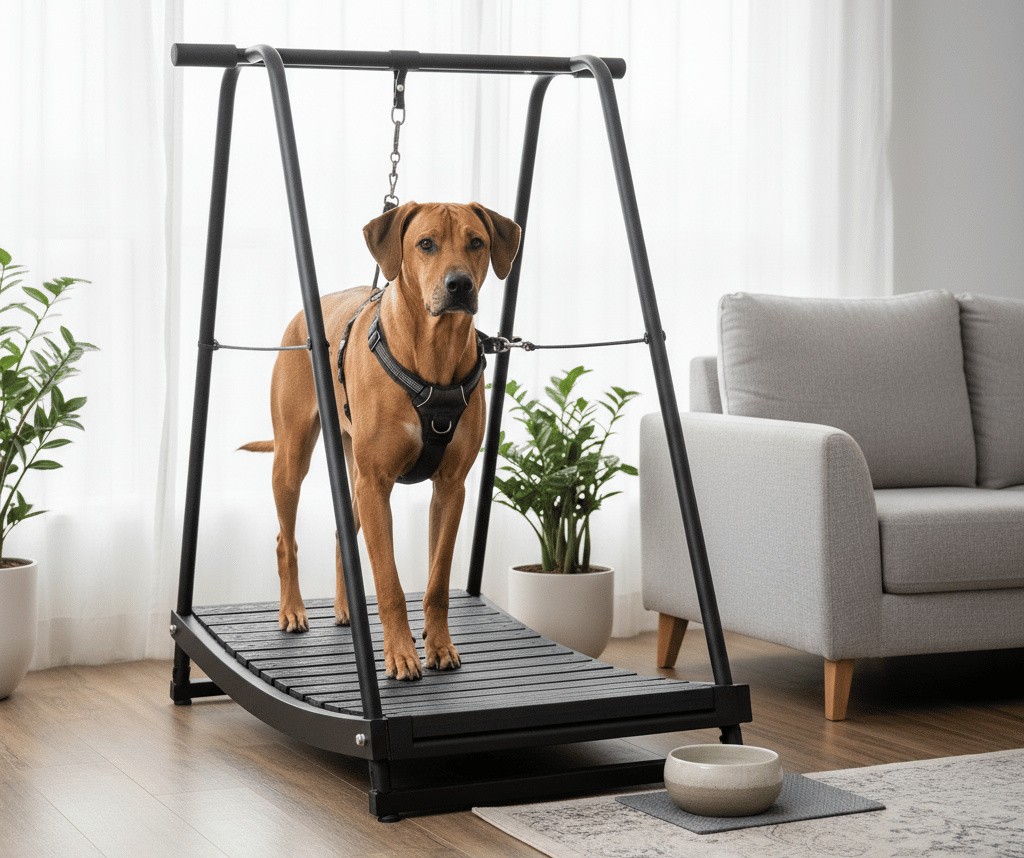
Top Dog Treadmills for Large Dogs: Best Exercise Equipment to Keep Your Big Pup Healthy and Happy
Exercise is crucial for keeping dogs healthy and happy. Large dogs especially need regular physical activity to maintain their weight, build muscle, and burn off energy. A dog treadmill offers a convenient way to help your pet stay fit, especially when bad weather keeps you indoors or when your dog needs extra exercise beyond daily walks.
Dog treadmills work well for overweight dogs who need to lose weight gradually and safely. They also help high-energy breeds that need more activity than most owners can provide through walks alone. The controlled environment lets you monitor your dog's exercise while keeping them safe from traffic, other animals, and weather conditions.
When choosing a treadmill for large dogs, the most important factors are weight capacity and belt size. The machine must support your dog's weight plus any movement during exercise. The running surface needs to be long and wide enough for your dog's natural stride. Motor power and noise level also matter since dogs can be sensitive to loud sounds.
We tested several dog treadmills designed for large breeds to find the ones that offer the best combination of safety, durability, and value.
Best Dog Treadmills for Large Dogs
We tested dozens of dog treadmills to find the best options for big dogs. Our top picks can handle heavy weights and give your large dog a great workout at home.
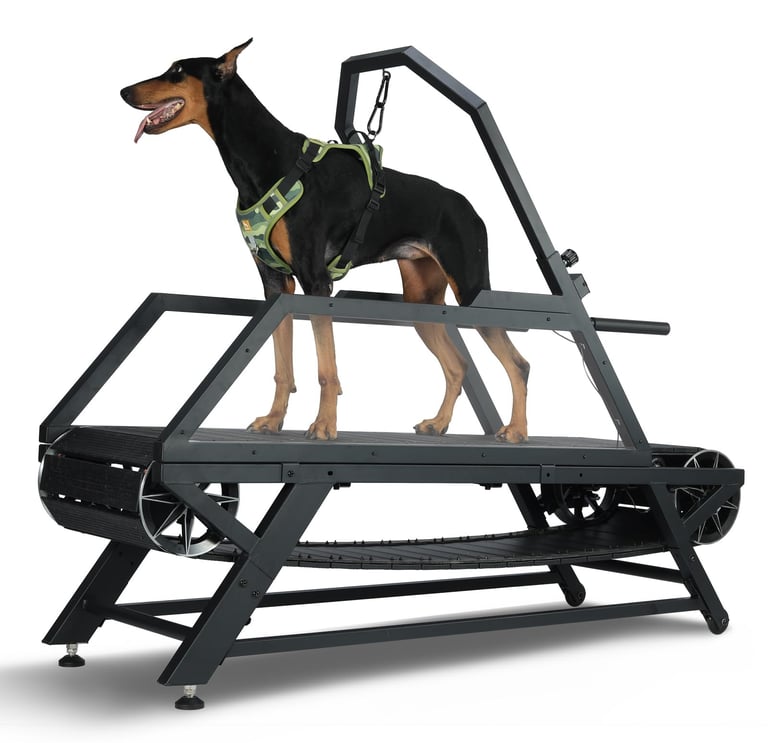
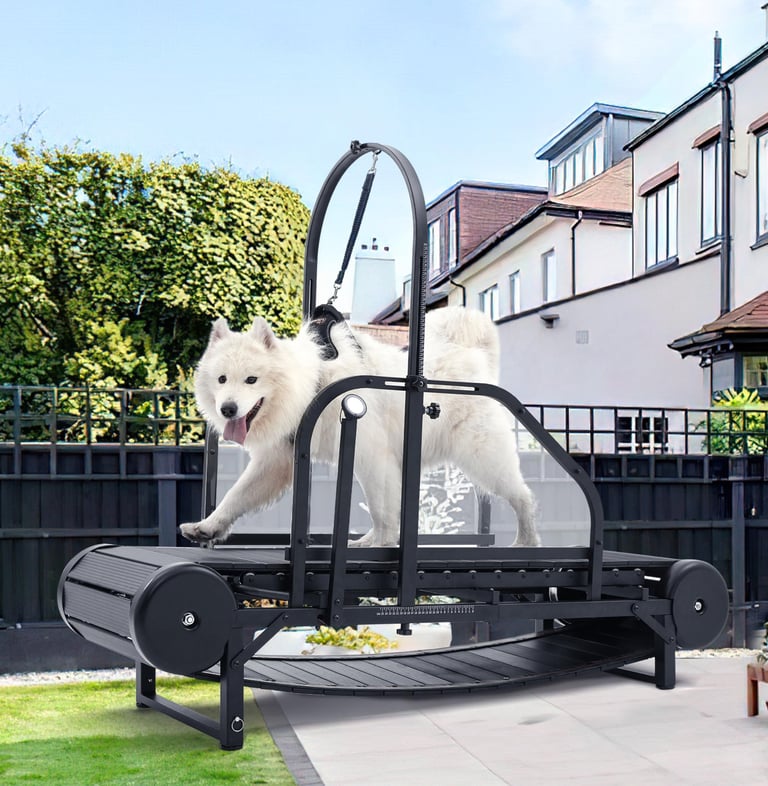
CATWEST.art Non-Electric Dog Treadmill
This manual treadmill gives large dogs a chance to exercise at their own pace without depending on electricity or weather conditions.
Pros
Dogs can control their own workout speed naturally
Works anywhere without needing power outlets or good weather
Strong steel frame handles dogs up to 300 pounds safely
Cons
Heavy 140-pound weight makes moving it around difficult
Assembly required which could take significant time
Manual operation means no automated speed settings
The non-electric design makes this treadmill stand out from other options. Your dog can walk or run at whatever pace feels comfortable without being forced to match a motor's speed. This natural approach lets nervous dogs ease into exercise gradually.
Weather won't stop workout sessions anymore. Rain, snow, or extreme heat can keep dogs inside for days. This treadmill solves that problem by creating an indoor exercise space that works year-round.
The adjustable incline feature adds variety to workouts. Flat walking works for easy days while steeper angles challenge athletic dogs. The built-in brake handle gives owners quick control when dogs need to stop suddenly or take breaks during longer sessions.
Moysoon Adjustable Slatmill
We recommend this treadmill for owners of large active dogs who need a reliable indoor exercise solution, though the assembly process might test your patience.
Pros
Dogs control their own pace with the self-powered design
Works in any weather without needing electricity
Adjustable slope settings let you customize workouts
Cons
Assembly takes several hours and instructions are confusing
Heavy weight makes it hard to move around your home
Some parts may arrive damaged during shipping
This non-electric treadmill lets your large dog set their own running speed. The self-powered design means your pet won't get stuck at an uncomfortable pace. Dogs can walk slowly or sprint fast based on how they feel.
The adjustable slope feature gives you five different settings. You can start with a flat surface for beginners. More athletic dogs can handle steeper angles for harder workouts.
Weather won't stop exercise sessions anymore. Rain, snow, or extreme heat won't keep your dog from burning energy. The indoor setup protects paws from hot pavement or rough surfaces.
Assembly requires significant time and effort. Many owners report spending several hours putting it together. The instructions could be clearer and easier to follow.
The brake system adds safety during use. You can slow down the belt if your dog goes too fast. This feature helps nervous pets feel more secure while learning to use the machine.
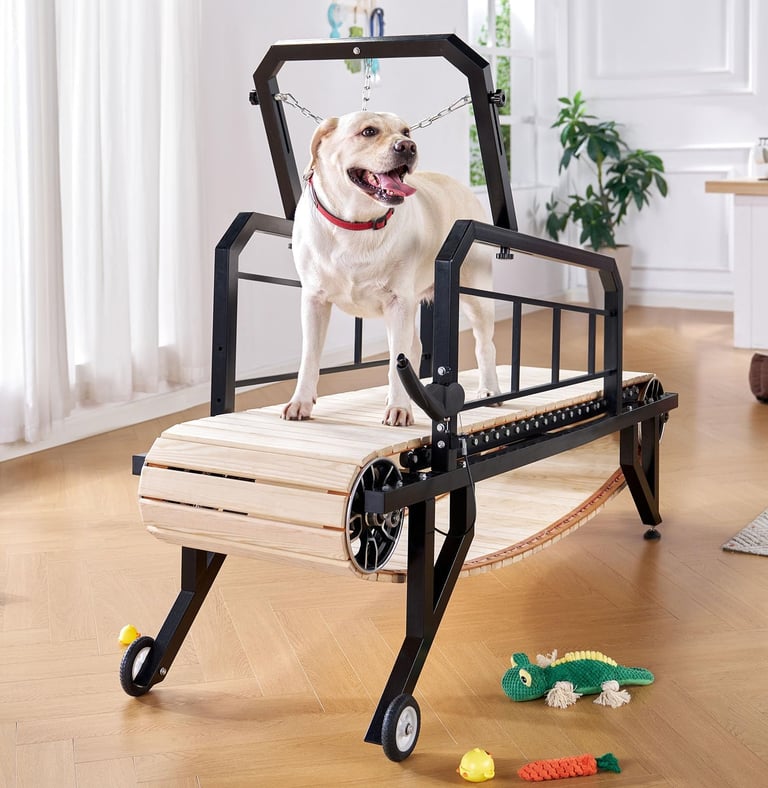
Albott Dog Treadmill
We think this manual treadmill offers great value for large dog owners who want a sturdy exercise option, though assembly can be challenging.
Pros
Supports dogs up to 330 pounds with solid wood and metal construction
Dogs control their own speed naturally without noisy motors
Hand brake system lets owners adjust resistance for safety
Cons
Assembly instructions are confusing and lead to mistakes
The belt runs stiff and may be hard for some dogs to use
Weighs over 100 pounds making it difficult to move around
This manual treadmill stands out because dogs power it themselves instead of relying on electric motors. The design encourages natural movement patterns while staying quiet during use. We appreciate that there are fewer parts to break or maintain compared to motorized versions.
The construction quality impressed us with its mix of wood frame and aluminum rollers. Large breeds up to 330 pounds can use this treadmill safely. The hand brake gives owners control over resistance levels to match different energy levels and training needs.
Assembly proves to be the biggest hurdle for most buyers. Many people report putting parts on backwards and having to restart sections. The process takes longer than the promised 30 minutes for most users. Once built, some dogs find the belt surface too stiff to walk on comfortably.
Training dogs to use this treadmill takes patience and time. Bigger dogs tend to adapt better than smaller ones according to owner feedback. The step counter helps track progress during workouts.
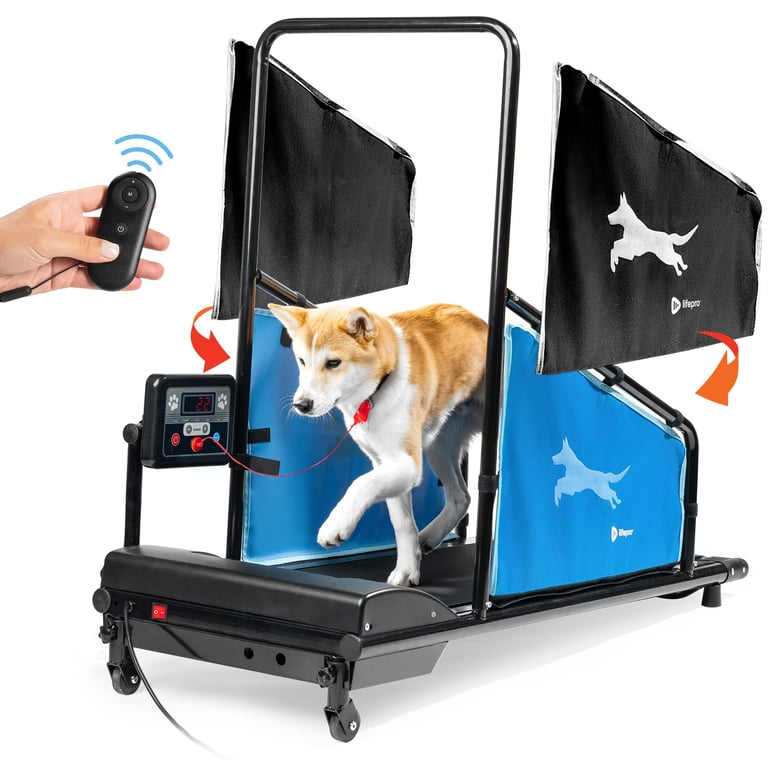
LifePro PawRunner
We found this treadmill works well for smaller dogs but falls short for large breed owners looking for spacious exercise equipment.
Pros
Ultra-quiet motor keeps noise levels low during indoor workouts
Remote control makes it easy to adjust speed from across the room
Safety features include emergency stop button and safety key for protection
Cons
Running surface feels narrow for dogs over 50 pounds
Side panel attachments seem flimsy and may not hold up long-term
Some units arrive with console errors that require returns
The LifePro PawRunner creates a good exercise option for medium-sized dogs up to about 50 pounds. The quiet motor means we can run it indoors without disturbing neighbors or scaring noise-sensitive pets.
Installation takes about 20 minutes with basic tools. The remote control feature lets us adjust speeds without getting close to moving dogs. This makes training sessions much safer and easier.
The 130-pound weight limit sounds impressive on paper. However, the narrow belt width makes larger dogs feel cramped during workouts. Dogs over 60 pounds often step off the sides or refuse to use it comfortably.
Quality issues pop up with some units arriving damaged or showing error messages right out of the box. The side fabric panels feel thin and wobbly compared to the sturdy main frame. We worry these parts might tear with active dogs.
Buying Guide
When we shop for treadmills for large dogs, we need to think about size first. Big dogs need wide running surfaces and long belts. A narrow treadmill won't work well.
Weight Capacity
We should check the weight limit before buying. Most large dogs weigh 50 to 100 pounds or more. The treadmill must handle our dog's weight safely.
For large dogs that weigh 50-75 pounds, make sure the minimum capacity for the treadmill is 100 pounds. For extra large dogs that weigh 75-100 pounds, make sure the minimum capacity is 150 pounds. And for giant dogs over 100 pounds, make sure the minimum capacity is over 200 pounds.
Running Surface Size
We need enough space for our dogs to run comfortably. Large dogs have long strides. A short belt will make them feel cramped.
Look for belts that are at least 60 inches long. The width should be 22 inches or more.
Speed Settings
We want treadmills with good speed control. Dogs need to start slow and build up speed. Variable speed settings help us find the right pace.
Most dogs walk at 2-4 mph. They may run at 6-8 mph or faster.
Safety Features
We should look for emergency stop buttons. Side rails help keep dogs centered on the belt. Non-slip surfaces prevent accidents.
Some treadmills have safety clips that attach to the dog's collar. These stop the machine if the dog falls behind.
Motor Power
We need strong motors for large dogs. Weak motors struggle with heavy weight. Look for motors with at least 2.5 horsepower for continuous use.
Click here for our recommendations for small dog treadmills.
Connect
Reach out for support and inquiries.
Subscribe
contactbowloflove@gmail.com
© 2025. All rights reserved.